

Celebrating the Lives of Late Faculty for their Dedication to SRU
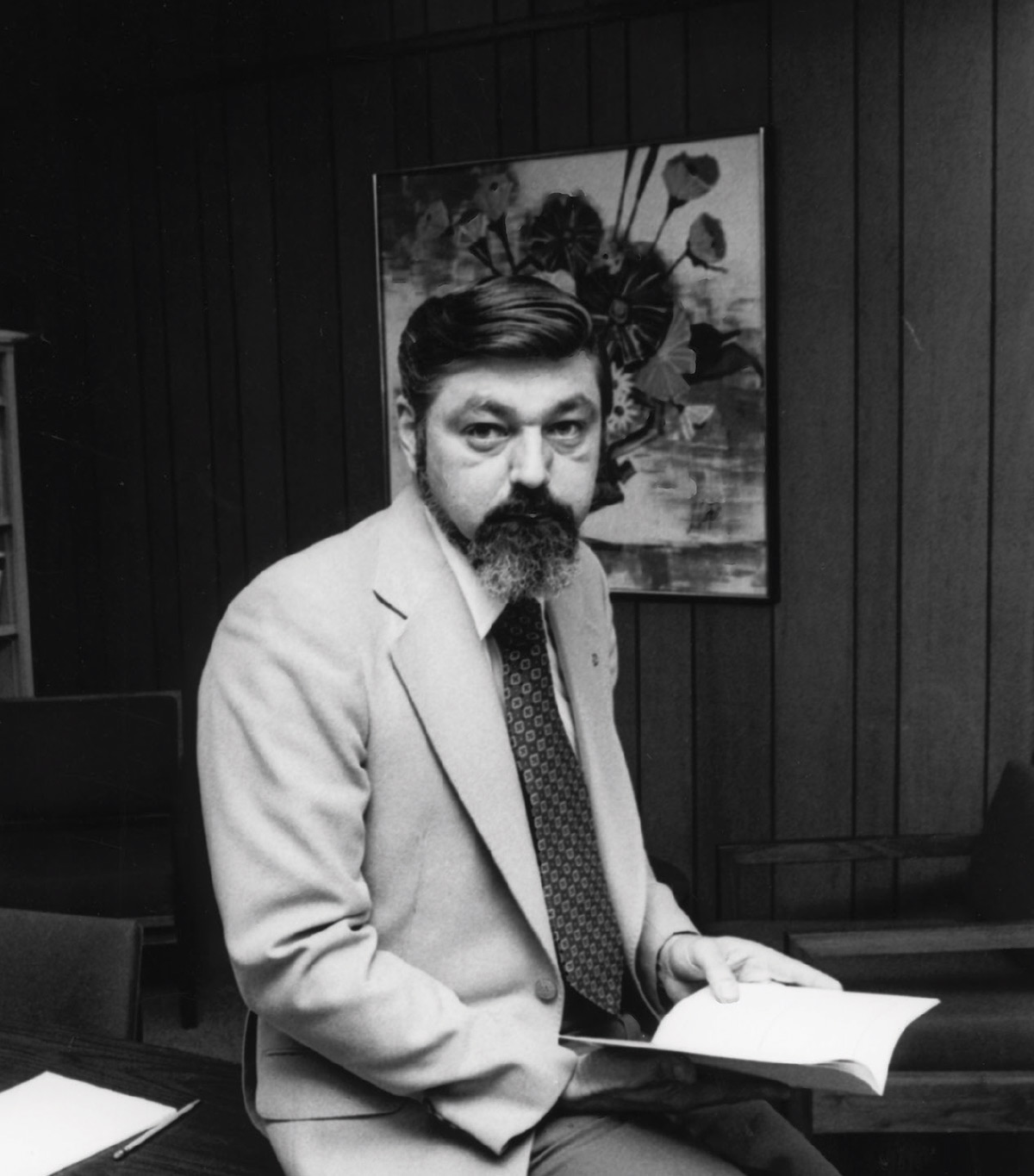
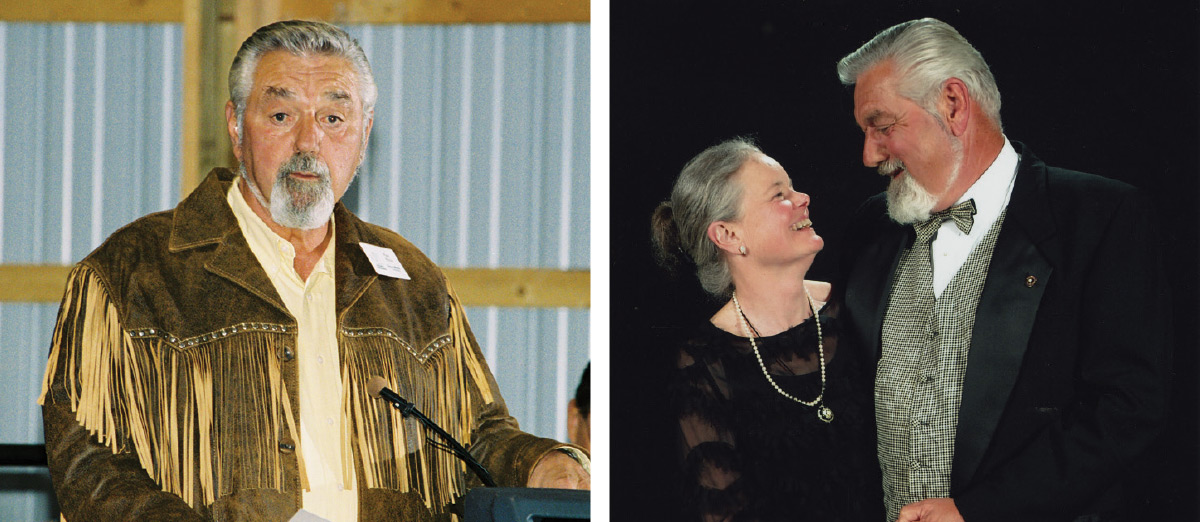
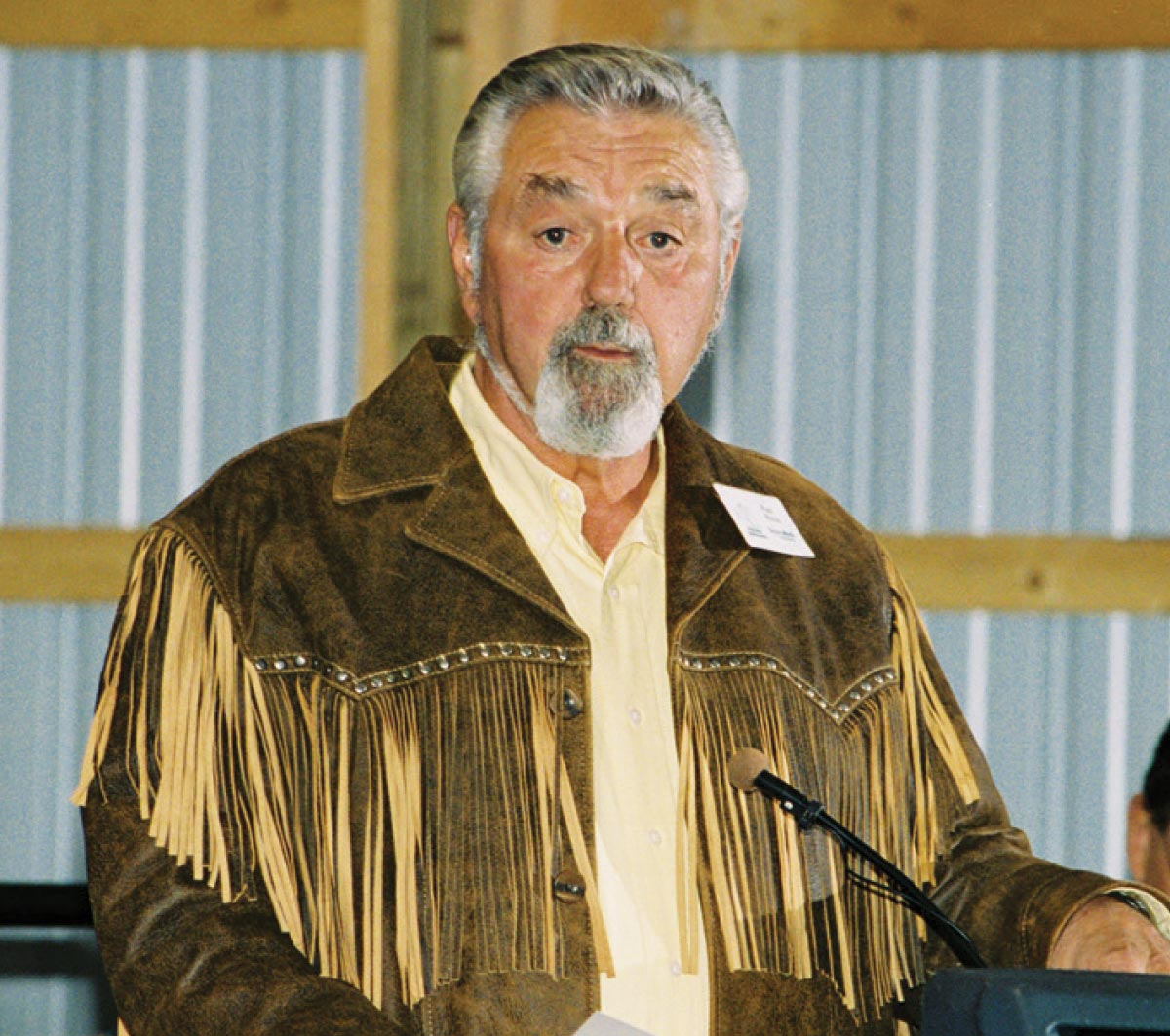
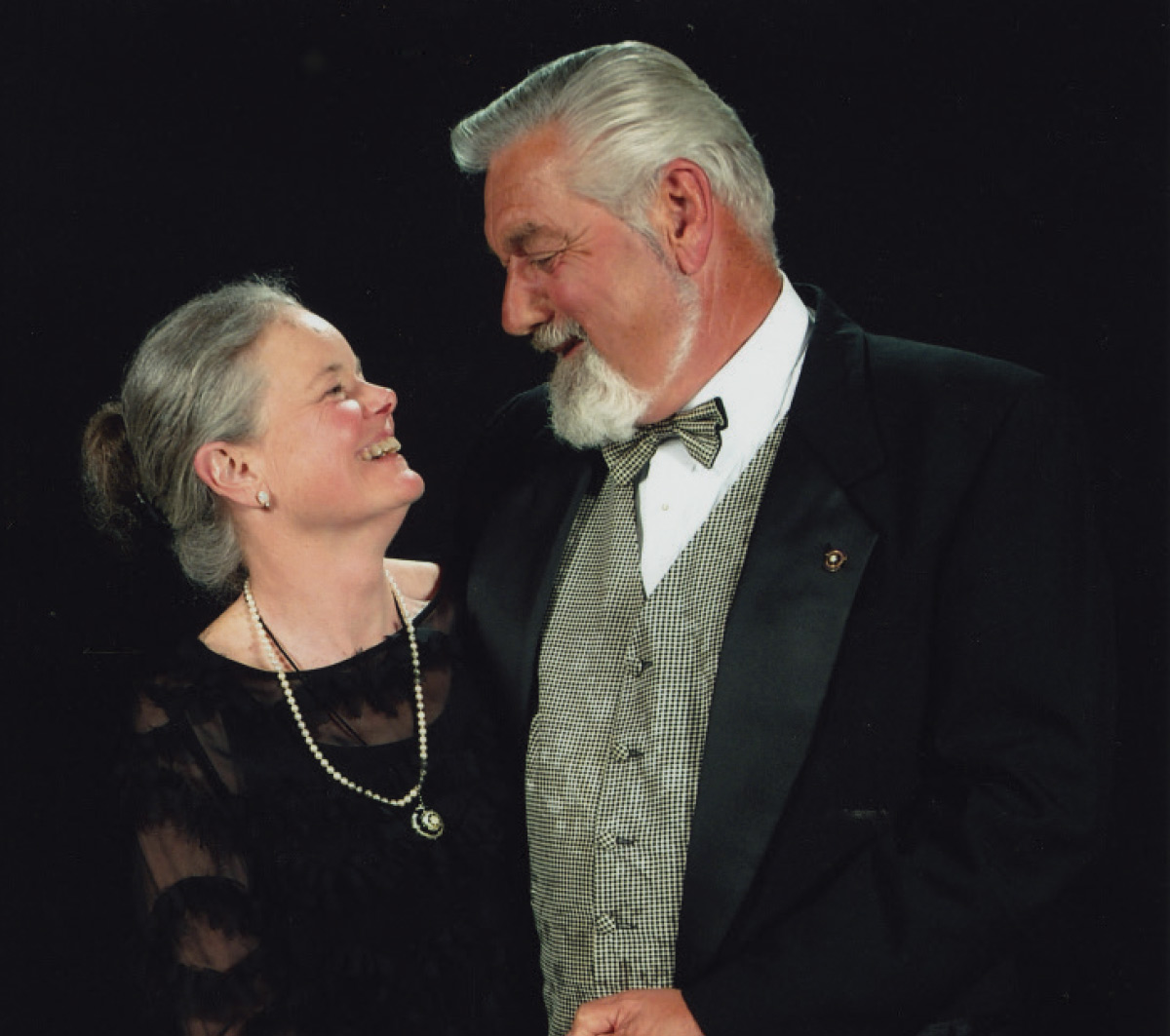
lifelong advocate for Slippery Rock University and a benefactor of the University’s Storm Harbor Equestrian Center, Paul Rizza, Ph.D., left an impact that goes beyond his time as a faculty member – it will be felt for decades to come.
Rizza served SRU from 1972-98 before retiring as professor and chair of the Geography and Environmental Studies Department, but his legacy also includes his commitments to students, global outreach, service in the community and as one of SRU’s most resounding philanthropists. Rizza passed away March 13 at the age of 87.
Rizza and his wife, Carolyn Carruth Rizza, who passed away in 2022, were best known on campus for their work founding and supporting Storm Harbor Equestrian Center. Carolyn Carruth Rizza also served on the SRU faculty for 24 years before retiring in 1999 as a professor of sociology and social work. Together, the Rizzas donated more than $1 million to Storm Harbor, including money to build the center and the endowment to pay its staff.
Storm Harbor provides equine-assisted activities and equine-assisted therapies for children and adults with disabilities, serving people from more than seven counties. It also provides SRU students opportunities to serve individuals with disabilities, giving them valuable field experiences.
Rizza also contributed to scholarships and other financial investments in students and programs that helped empower growth and development.
The greatest gifts to SRU don’t end with a lifetime — they continue changing lives and strengthening the University for generations.
Although Livingston joined the faculty shortly after Rizza officially retired, Livingston credits Rizza for his mentorship and continued involvement to grow the department as an emeritus faculty member. Rizza’s presence ensured the lasting impact from his time as department chair, in which he started a cartography lab and implemented forward-thinking technologies around geographic information systems.
His achievements weren’t limited to SRU’s campus, as he was deeply engaged in service and global outreach. In 1976, he was awarded a Senior Fulbright Lectureship to Finland, which he adopted as his second country, where he was guest lecturer at three universities and he was selected to represent Finland at the European Fulbright Conference in Berlin.
A member of Rotary International for more than 50 years, he served as president of the Slippery Rock Rotary Club and later as district governor. His commitment to peace and international understanding was evident through his work with the Rotary Foundation, including supporting its Peace Fellowship Program. He and Carolyn endowed peace fellowships and traveled extensively, visiting all seven continents and 87 countries.
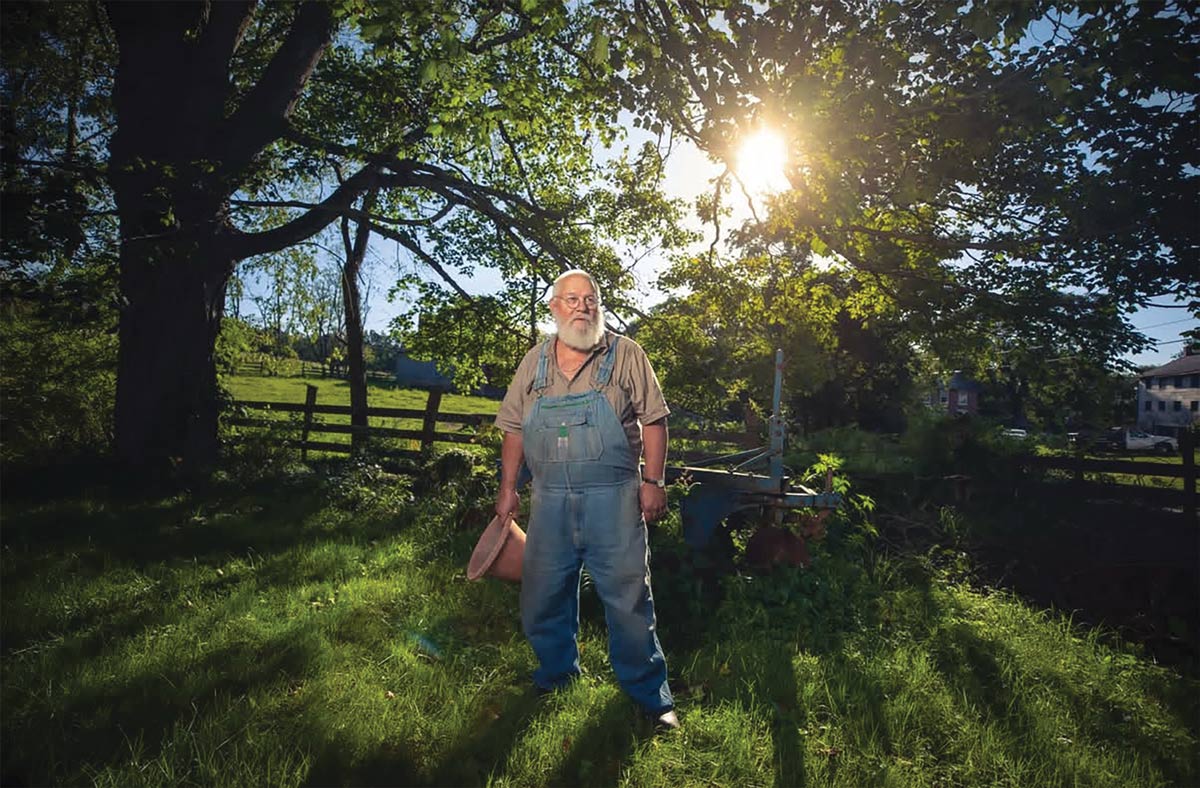
hile the annals of Slippery Rock University history are full of committed, passionate people who have left their mark on the University, precious few can match the particular fire and venerable reputation of Dick Wukich. A former professor of art and trustee, Wukich passed away on Dec. 25, 2025, leaving behind a vast legacy that spans both his active presence on campus and through humanitarian efforts addressing hunger and safe drinking water.

Campus Impact
“Dick was very much an advocate for art as a means of advancing people,” Shumway said. “He brought art to underserved communities throughout the Commonwealth.”
One of those outreach efforts was the Summer Art Academy, a program that brought students from around Pennsylvania to the SRU campus for two weeks of intensive study of artistic disciplines ranging from fine arts to music. Students from towns all throughout Pennsylvania come to campus for two weeks each summer for intensive, conservatory level study of their craft.
The Academy was born of Wukich’s desire to provide high quality arts instruction to students from smaller, less affluent schools with struggling art programs, giving students from those places an equal opportunity to pursue their passions and broaden their minds.
“Dick was very much an advocate for art as a means of advancing people. He brought art to underserved communities throughout the Commonwealth.”
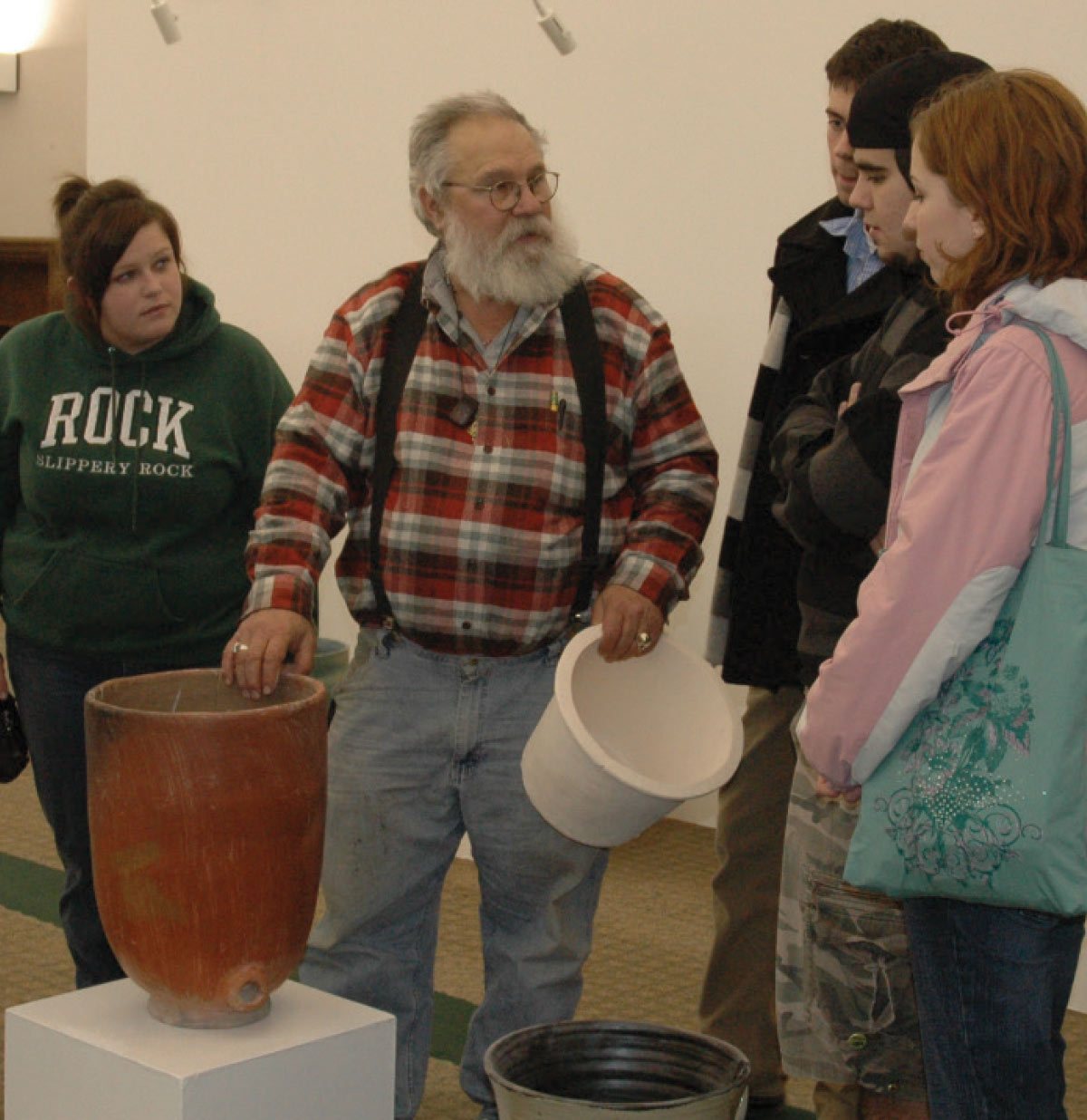
Legacy of Outreach
“He was promoting the water filter and helping people to establish facilities in Sudan, and he made a little video clip of him where he’s chanting ‘Here we go, Steelers, here we go!’ and a bunch of kids start calling back, mimicking him!” Shumway recalled, laughing. “It was just this little joyous experience where he was sharing where he came from and the kids were just enjoying the experience with him.”
That love of where he came from was something that spoke to Shumway throughout their time together.
“He showed the importance of staying true to who you are and standing up for what you believe in,” Shumway added. “He had very strongly held convictions, and he held them to his dying day.”
It is clear that Wukich left an impression on those who knew him with his strong personality alone, but this larger-than-life figure’s legacy is ultimately defined by those he helped as a teacher and activist.